Full Flow Staged Rocket Engine
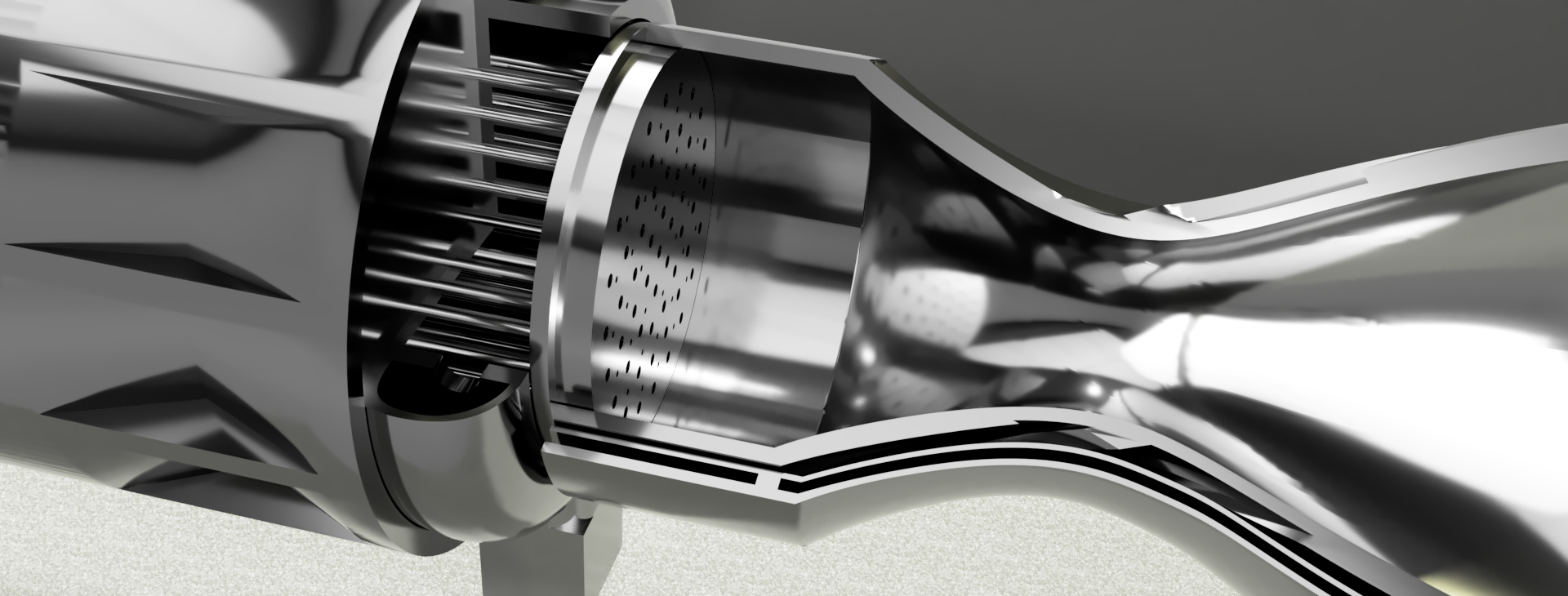
This project explores the design of a full-flow staged-combustion rocket engine with regenerative cooling, integrating thermodynamics, combustion, turbo-machinery, fluid flow, heat transfer, and nozzle design into a single propulsion system. Fuel and oxidizer are routed through separate pre-burners before entering the main combustion chamber, enabling high chamber pressures and improved cycle efficiency, while regenerative cooling channels circulate propellant through the chamber and nozzle walls to manage extreme thermal loads and recover otherwise wasted heat. The project focuses on system-level engineering tradeoffs, including chamber pressure, mixture ratio, turbine power balance, cooling-channel geometry, pressure losses, wall temperatures, material limits, nozzle expansion, and overall engine performance, demonstrating how advanced propulsion systems are developed through coupled analysis, iteration, and multidisciplinary design.
Hydroponics/Aeroponics
This project explores the design and development of a controlled hydroponics and aeroponics growing system, combining fluid delivery, environmental monitoring, automation, and resource-efficient cultivation into a compact agricultural platform. The system is designed to deliver water and nutrients directly to plant roots while reducing soil dependence, water consumption, and unnecessary resource use. Key design considerations include nutrient circulation, misting and irrigation control, reservoir management, sensor integration, lighting, temperature and humidity regulation, root-zone conditions, and system reliability. The project demonstrates a systems-engineering approach to controlled-environment agriculture, with an emphasis on automation, scalability, efficiency, and the integration of mechanical, electrical, and biological requirements.
Lunar Mission Rocket Design
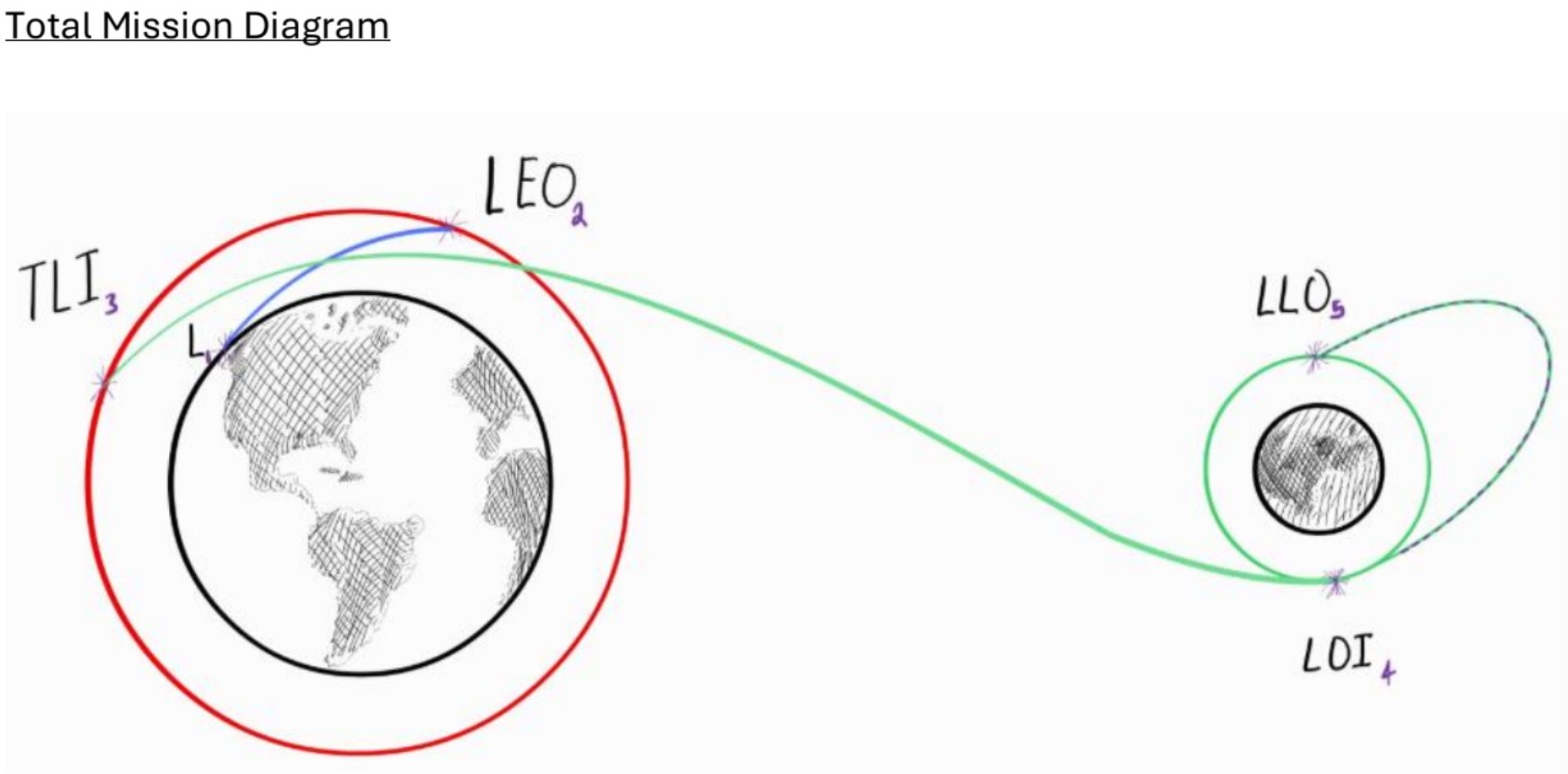
This project involved the design of a spacecraft capable of delivering a 3,000 kg satellite payload into low lunar orbit, integrating orbital mechanics, propulsion, thermal considerations, and spacecraft system design into a complete mission architecture. The work included defining the required orbital maneuvers and transfer trajectory, calculating mission delta-v and burn requirements, selecting UDMH fuel and NTO oxidizer for a pressure-fed propulsion system, sizing the propellant and helium pressurization tanks, and evaluating suitable structural and propulsion materials. The engine and nozzle were developed through detailed performance calculations, including mass flow, chamber conditions, expansion ratios, and nozzle geometry using Rao’s method of design. Mission accuracy was also evaluated by translating burn-time error into resulting trajectory and distance deviations, providing a practical assessment of maneuver tolerances, propulsion uncertainty, and the precision required to successfully achieve lunar orbit insertion.
Lotus 49 Simulator
This project involved the fabrication and adaptation of a Lotus 49-inspired tubular chassis into a functional Formula 1 racing simulator, combining motorsport design, metal fabrication, ergonomics, and simulation hardware integration. The structure was built to recreate the compact driving position and exposed mechanical character of a classic Formula 1 car while supporting modern steering, pedal, display, and control systems. The project required careful consideration of chassis geometry, seating position, structural rigidity, component mounting, driver accessibility, and cable management, resulting in a simulator that blends historic race-car architecture with modern interactive engineering and fabrication.
Aircraft Avionics Systems & Autopilot
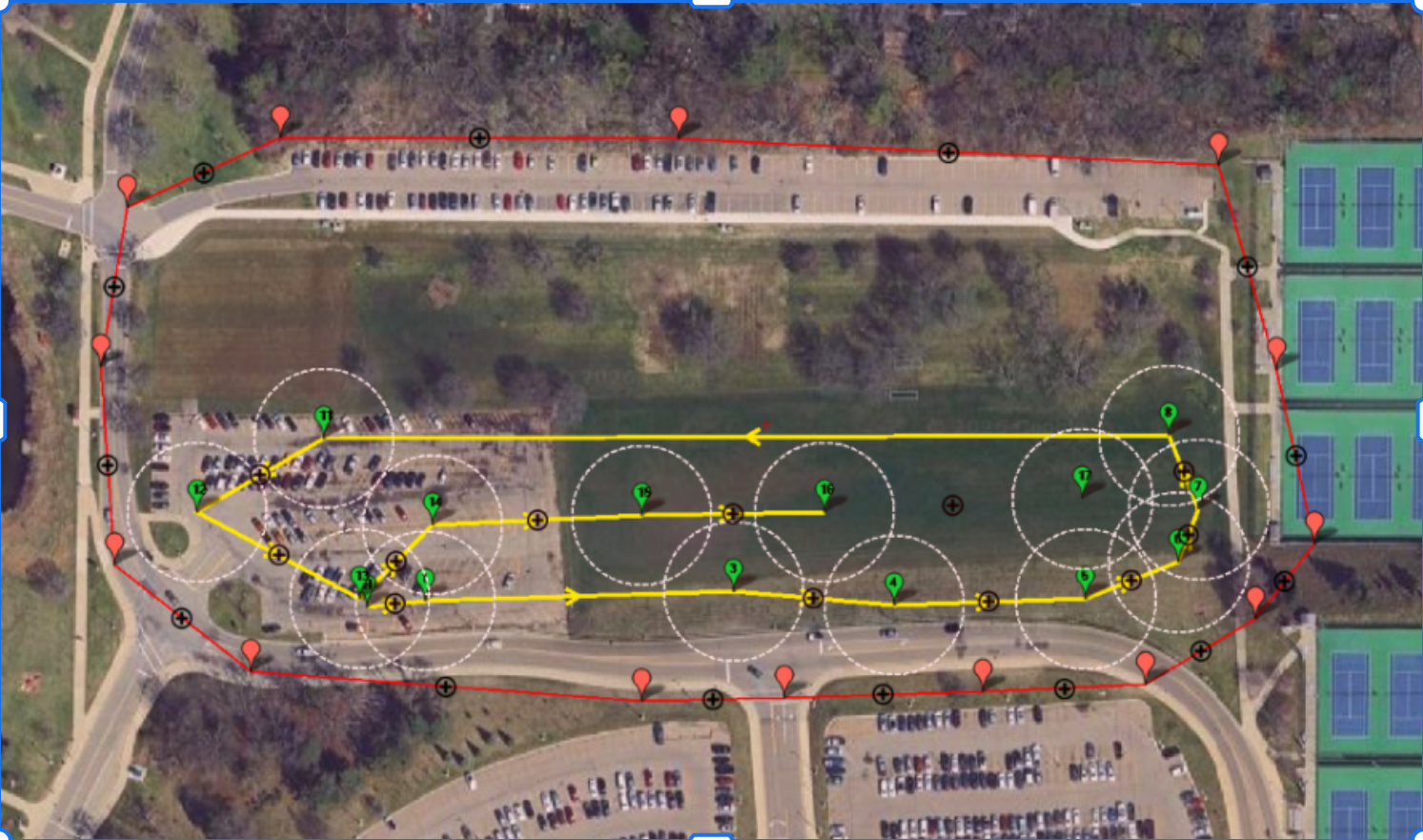
This project focused on the design, integration, and validation of an aircraft avionics and autopilot system, including the development of a stationary fuselage-mounted enclosure to securely house critical avionics hardware and support organized system integration. Automated programs were created to assist with aircraft control, monitoring, and test execution, while a structured series of 12 flight test cards was developed to evaluate new aircraft progressively from initial functional testing through more advanced procedural flight routes. The project also incorporated test planning, system verification, operational risk awareness, and the instruction of safety protocols and flight-test procedures, demonstrating a systems-level approach to avionics integration, automation, aircraft validation, and safe experimental flight operations.
Notable Public Projects
-
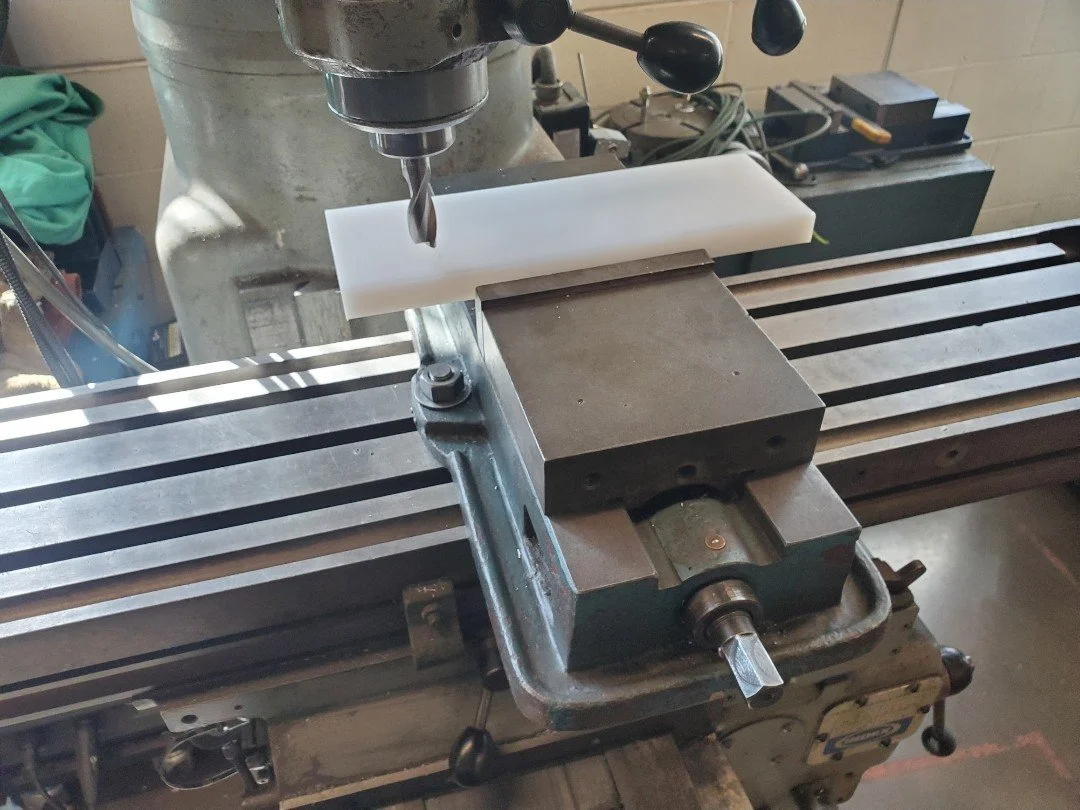
![Wes Banks machining a component on a milling machine for a 2D test section assembly]()
2D Test Section Manufacturing
A 2D test section to design to test heat sinks, observe flow, and temperature gradients. Manufactured on a mill, the assembly uses valves, thermocouples and a DAQ to collect data.
-
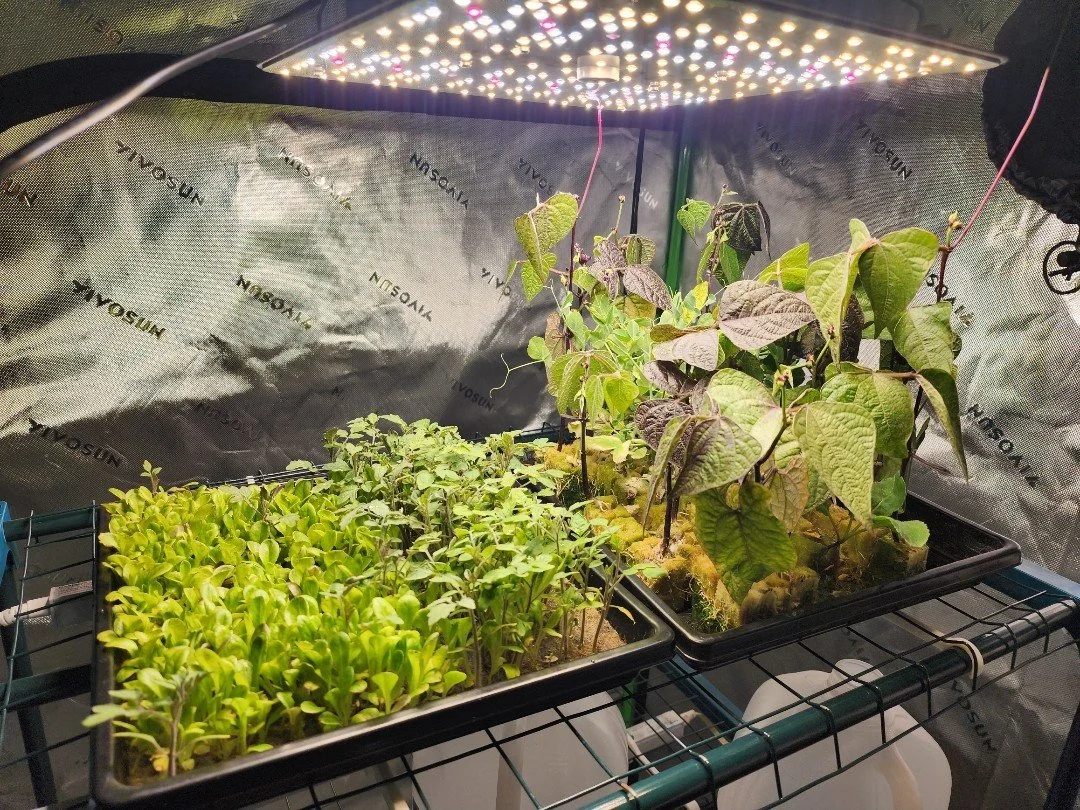
![Aeroponics propagation test under grow lights showing healthy tomato, lettuce, and purple bean plants]()
Aeroponics Propagation Test
Plants were propagated to test the feasibility of aeroponics/hydroponics integration. A variety of vegetables were tested to observe the best plants for the systems.
-
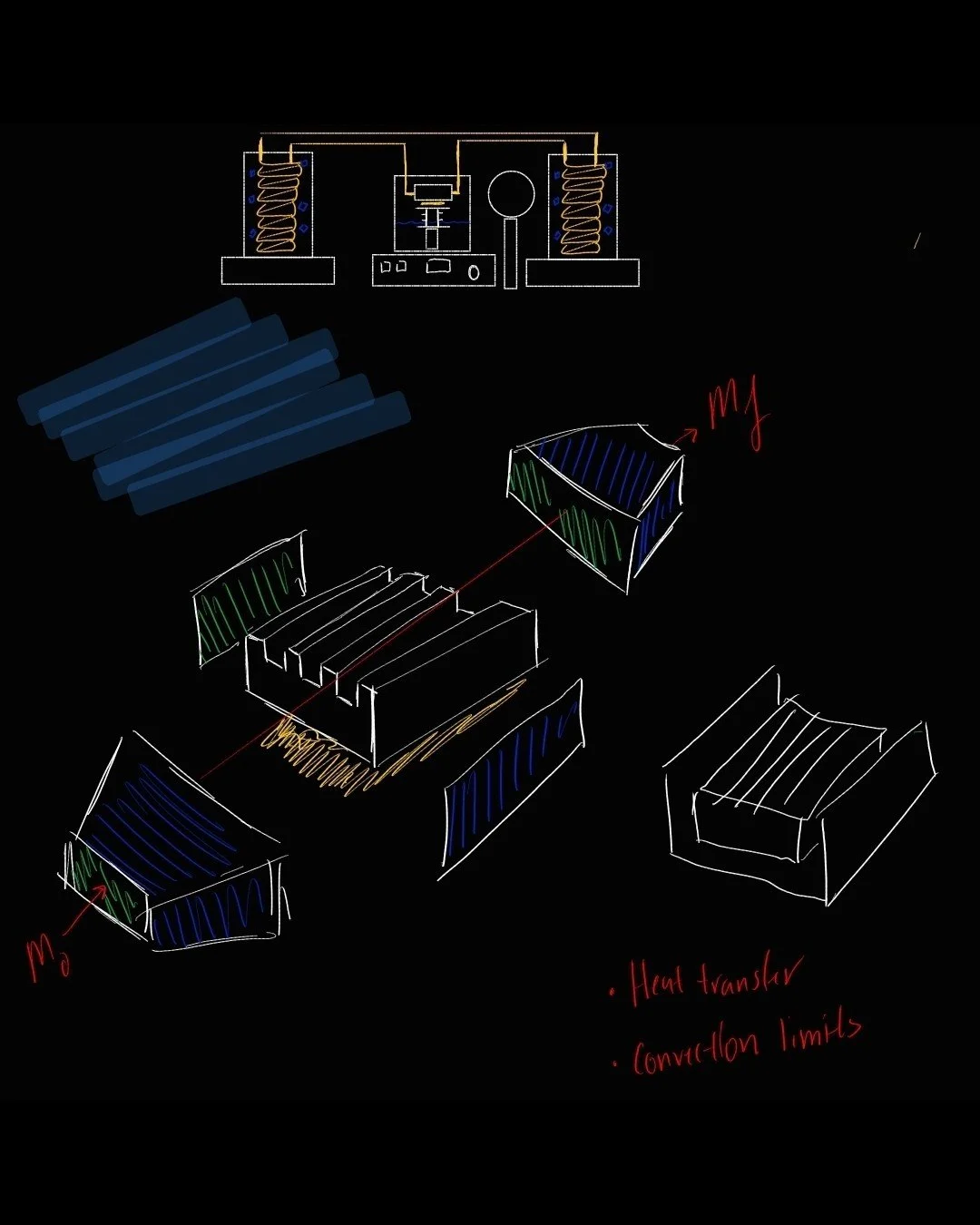
![Exploded-view drawing of a 2D test section assembly showing the component layout and profile structure]()
2D Test Section Flow Design
Various of designs for 2D test section were created where a heat sink of 8 different patterns were observed using CFD.
-
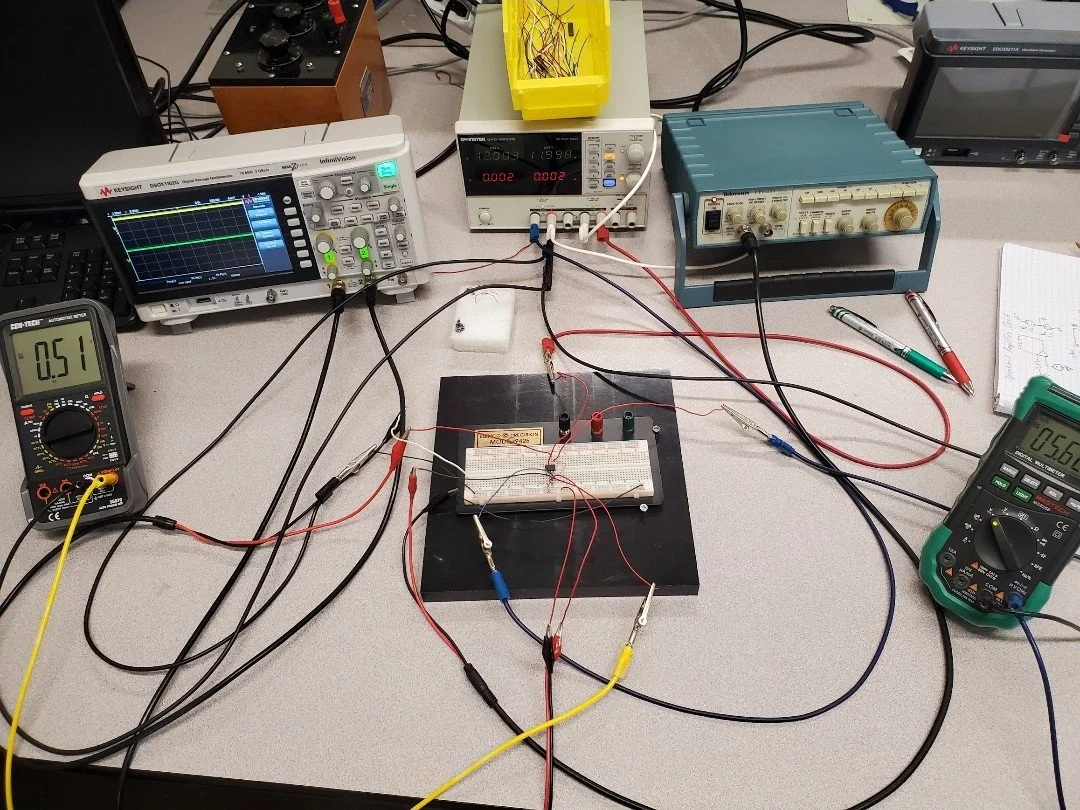
![Electronic component test setup using an oscilloscope, waveform generator, power supply, wiring, and two digital multimeters]()
Component Testing
Component testing to better design electronics for other projects. In this demonstration, signal analysis was the focus.
-
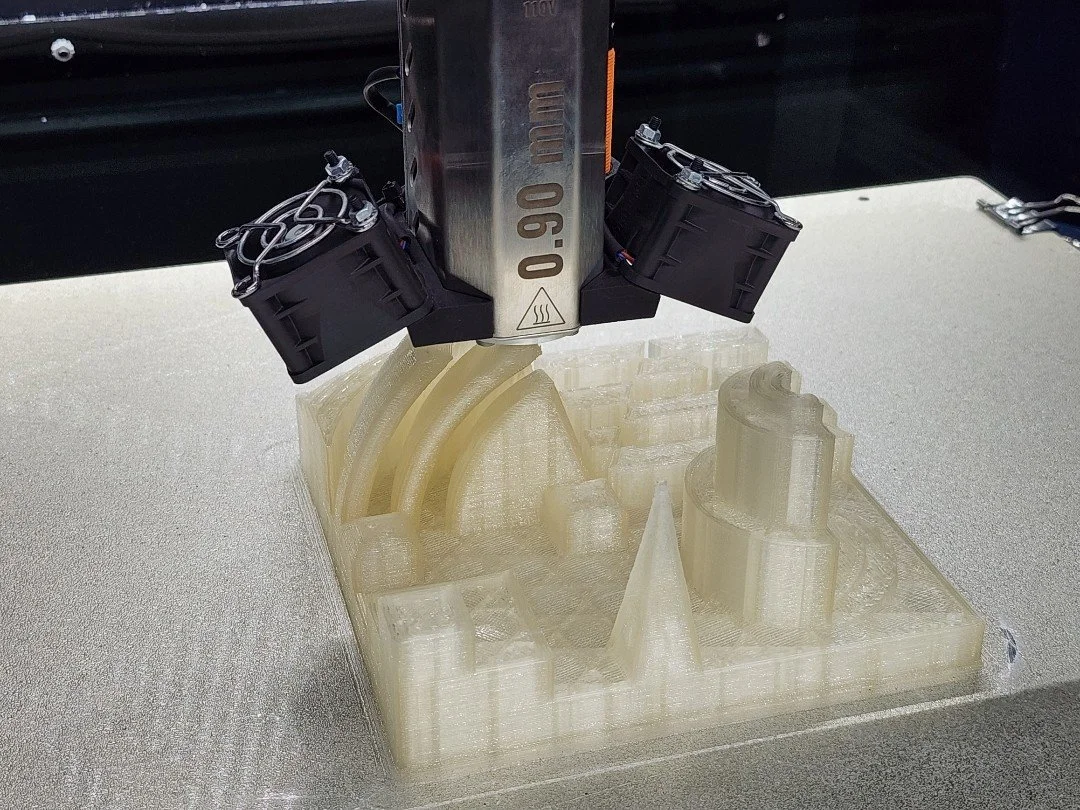
![Large-format test print designed by Wes Banks to identify localized regions of undamped oscillation]()
Test Print Design for Printer Calibration
A test print on a large format 3d Printer (350×450×700) [mm³] was needed for calibration. The design that demonstrates different geometric profile where the solution was dampening oscillations on the x-axis.
-
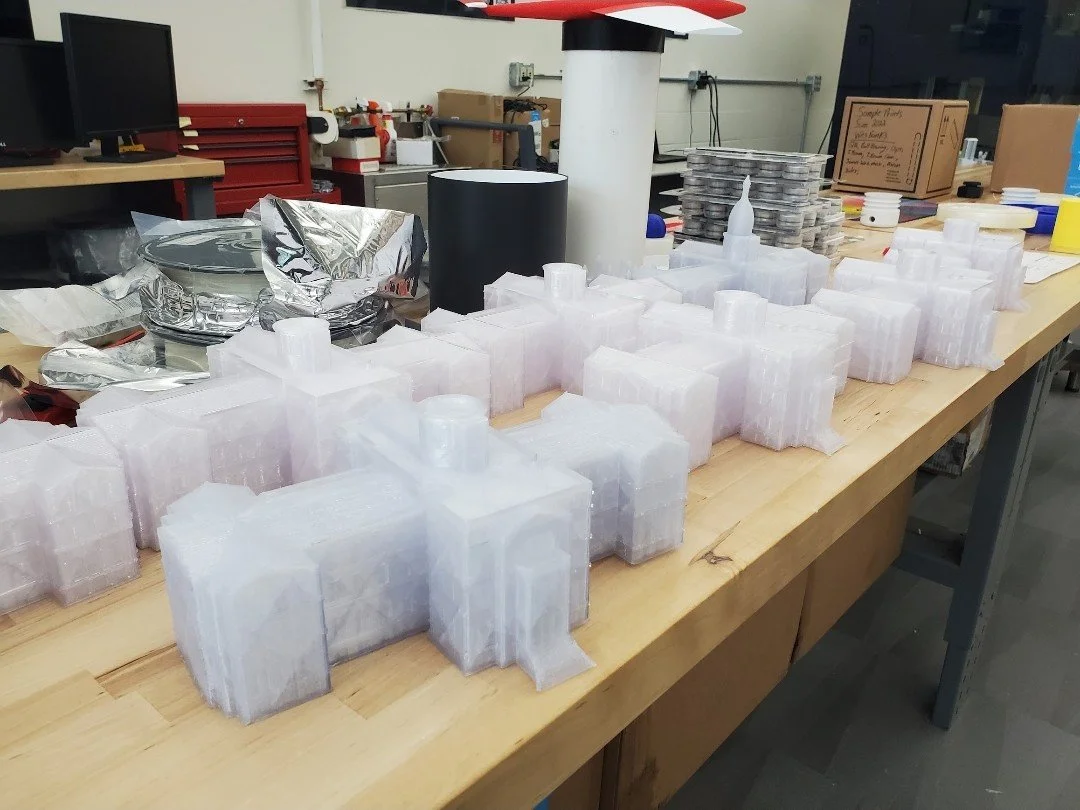
![Mass production of 3D-printed Michigan State Capitol building models designed by wesbanks and arranged after fabrication]()
Mass Production of Michigan Capital Building
The Michigan capital building was designed and mass produced for benefactors of the university and important contacts in Michigan office.
-
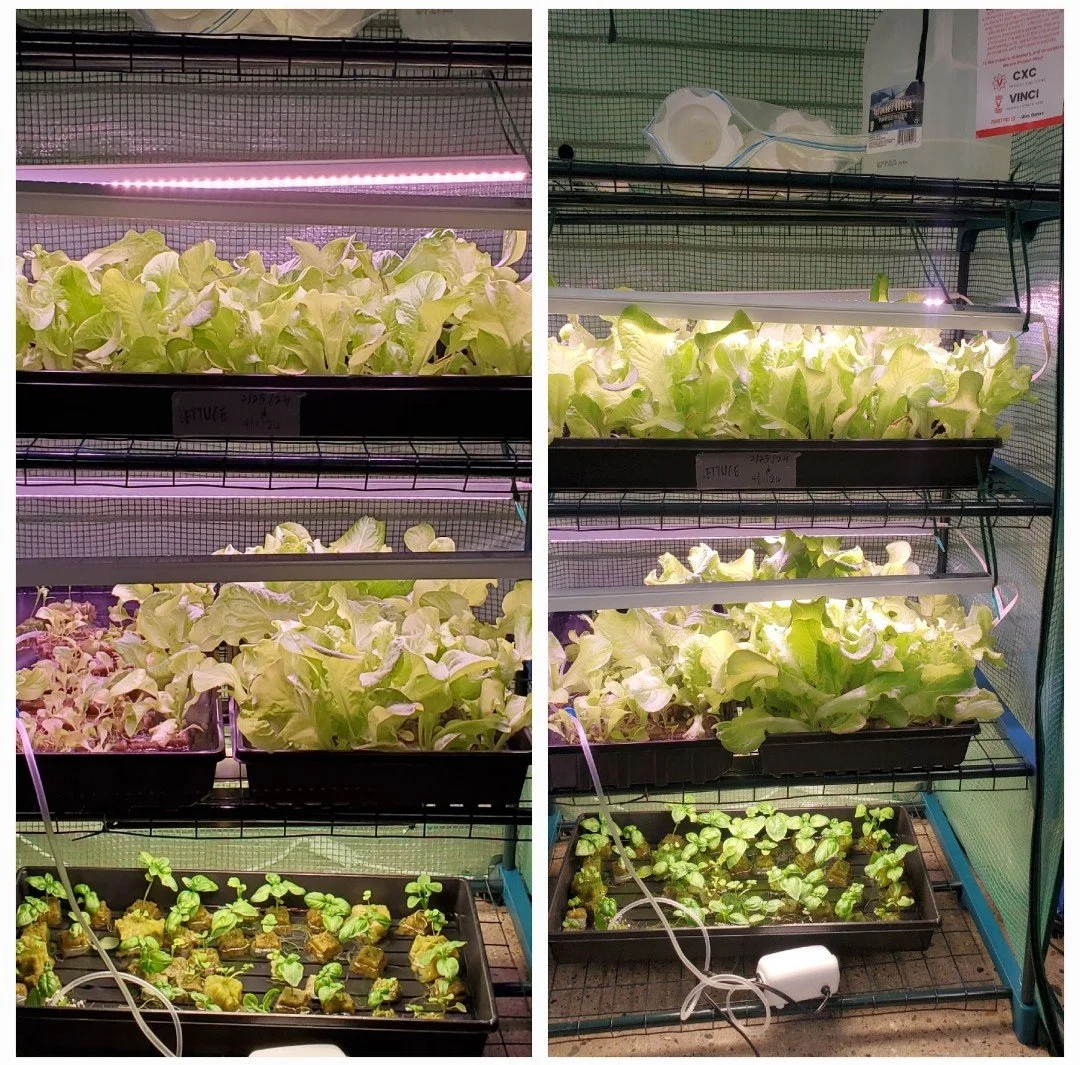
![Aeroponics incubation tent showing healthy lettuce and basil plants growing under controlled conditions]()
Aeroponics Incubation Tent
An aeroponics incubation tent was design to easily transfer lettuce and basil into the aeroponics/hydroponics systems.
-
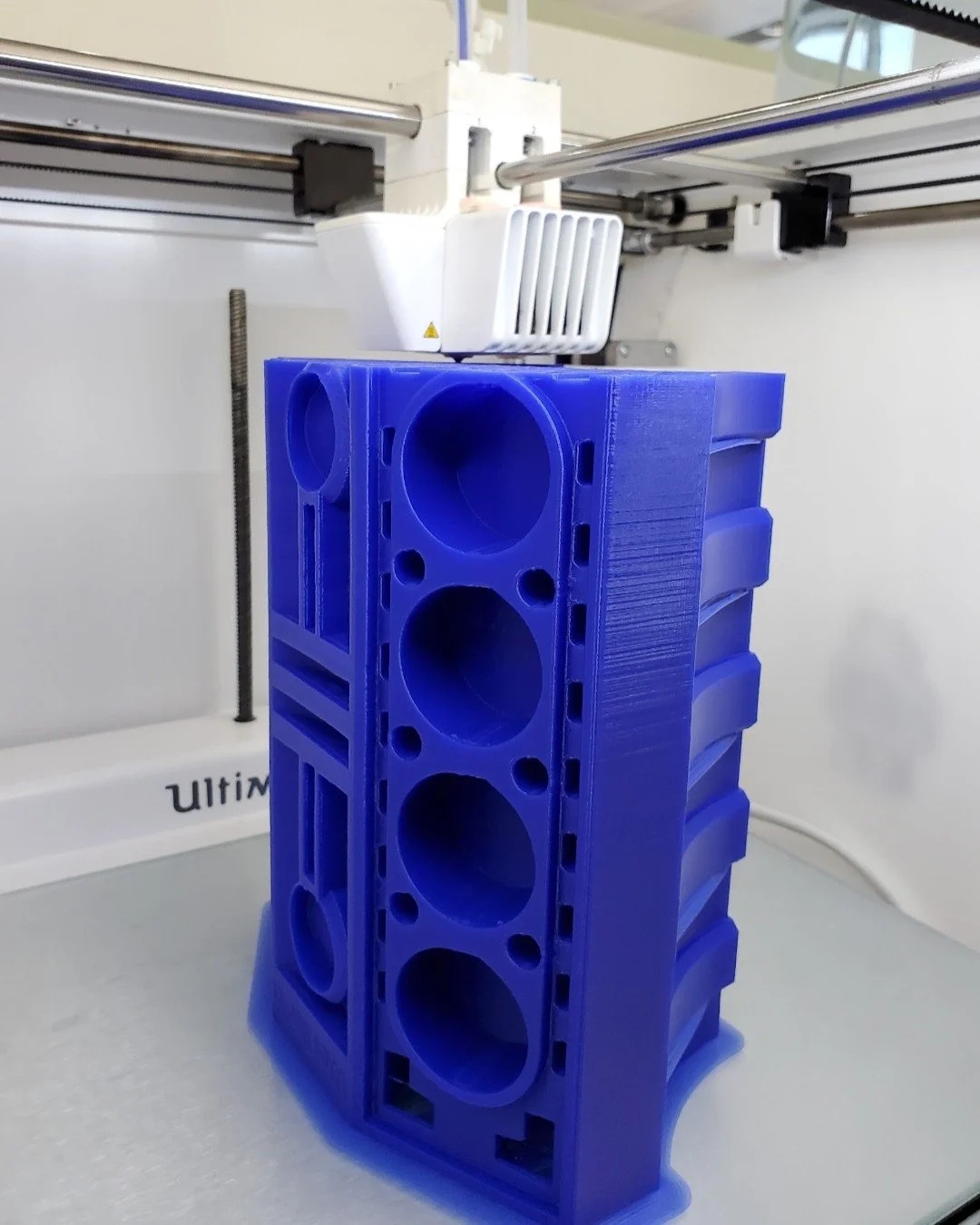
![3D-printed engine block design created for casting prototype development and manufacturing evaluation]()
Engine Block Casting Prototype
The goal of this project was to use 3D printing to develop casting prototypes. The complex geometries were benchmarks for creating the correct casting plugs.
-
![Vacuum-powered wind turbine module with regulated airflow controlling an internal turbine for testing and demonstration]()
Vacu-Engine Experiment
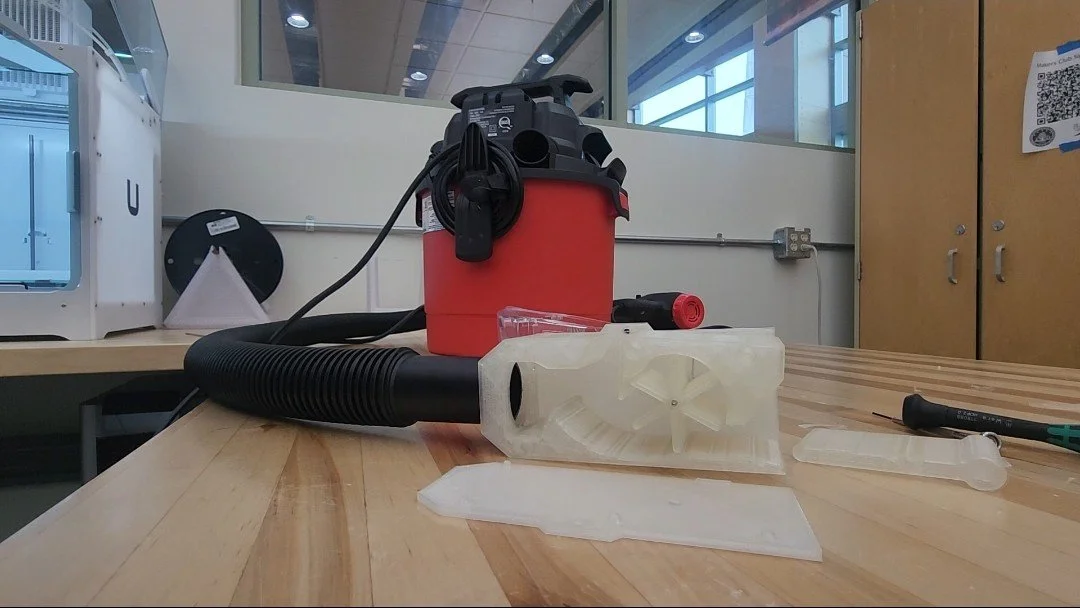
A vacu-engine was a more creative project using negative pressure to drive a turbine with a manual throttling lever that could control the speed.
-
![Laser-engraver safety enclosure designed by Wes Banks to provide an additional protective barrier during machine operation]()
Laser Engraver Enclosure
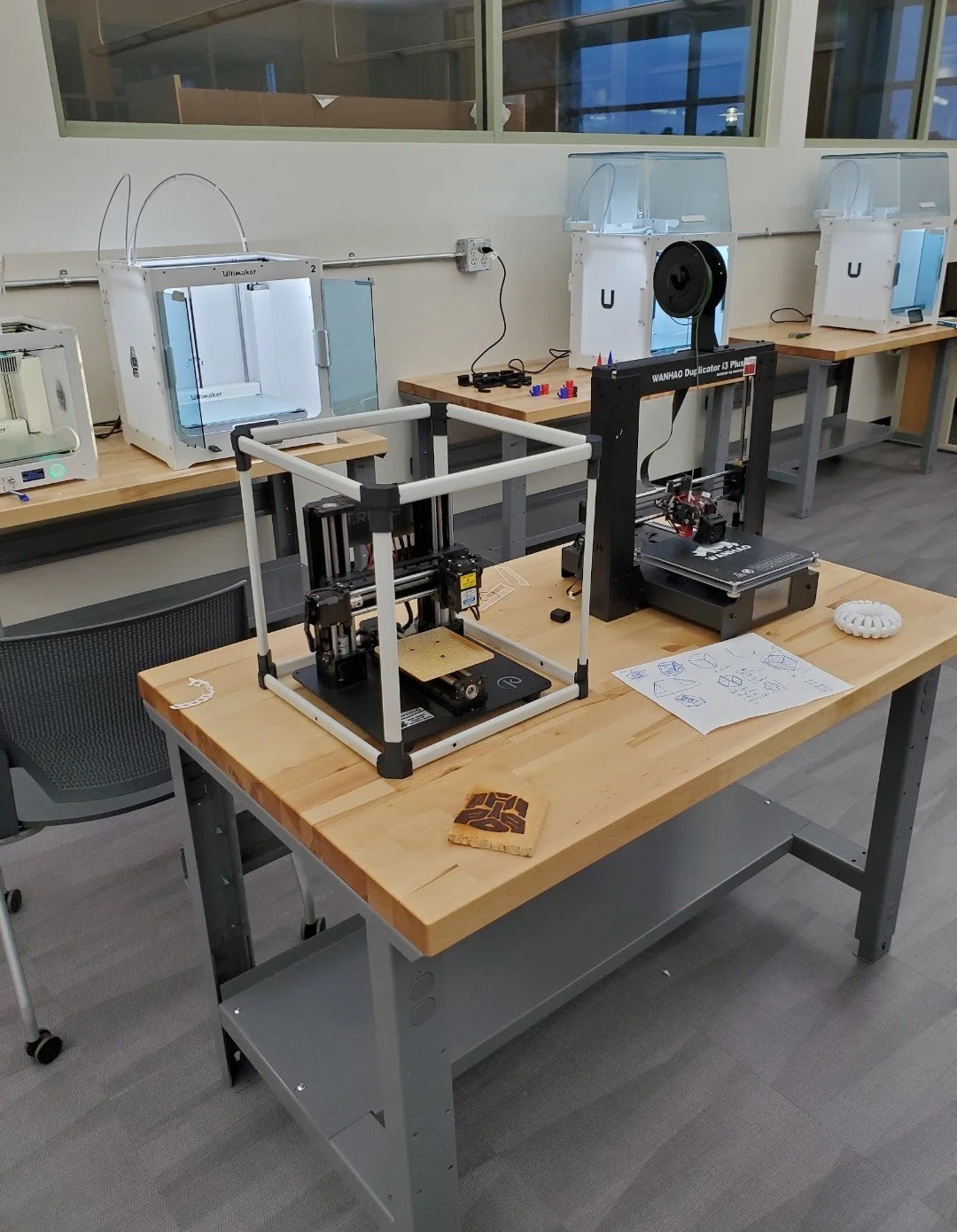
One of the problems in the lab was to prevent exposure when using the desktop engraver. The solution was an aluminum enclosure connected by 3d printed joints layered with a protective sheet.
-
![Lotus 49 roll cage prototype with 3D-printed panel modules for fitment, structure, and design development]()
Lotus 49 Roll Cage Prototype
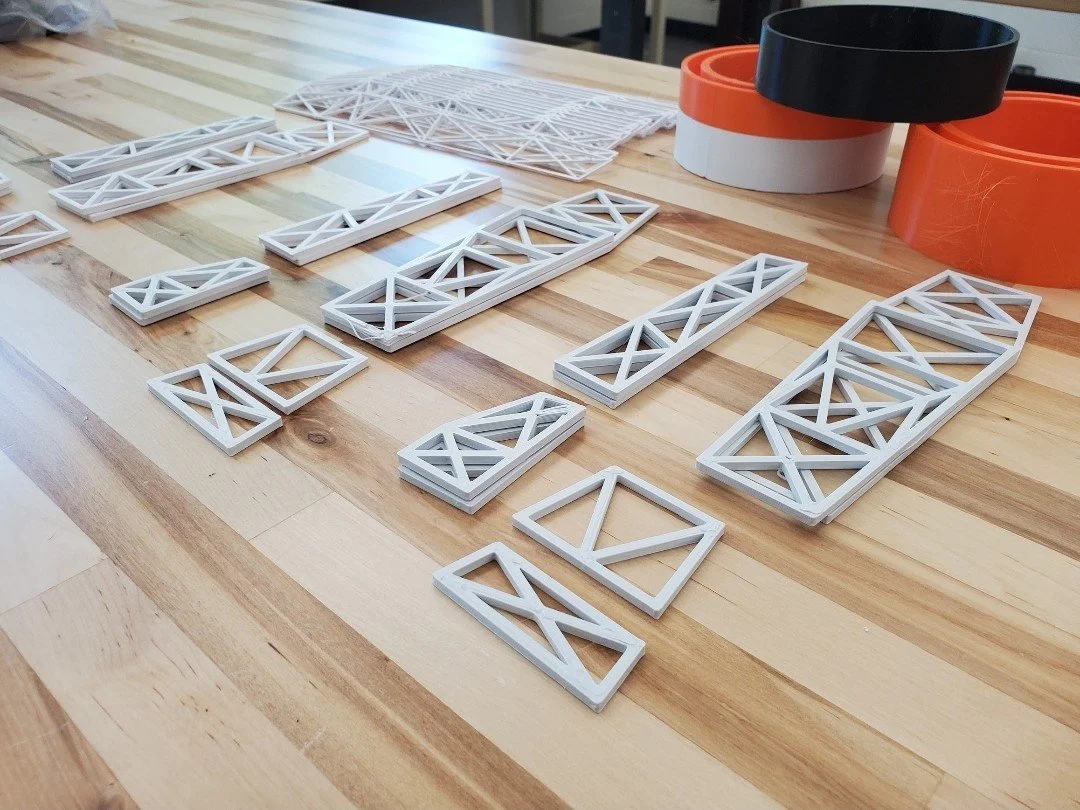
Prototypes for a roll cage served as a guide for creating the full scale roll cage. The structure, aesthetics, and weight distribution was simulated using CAD.
-
![3D-printed tolerance test module demonstrating dimensional fit differences across multiple clearance values]()
Tolerance Testing Device
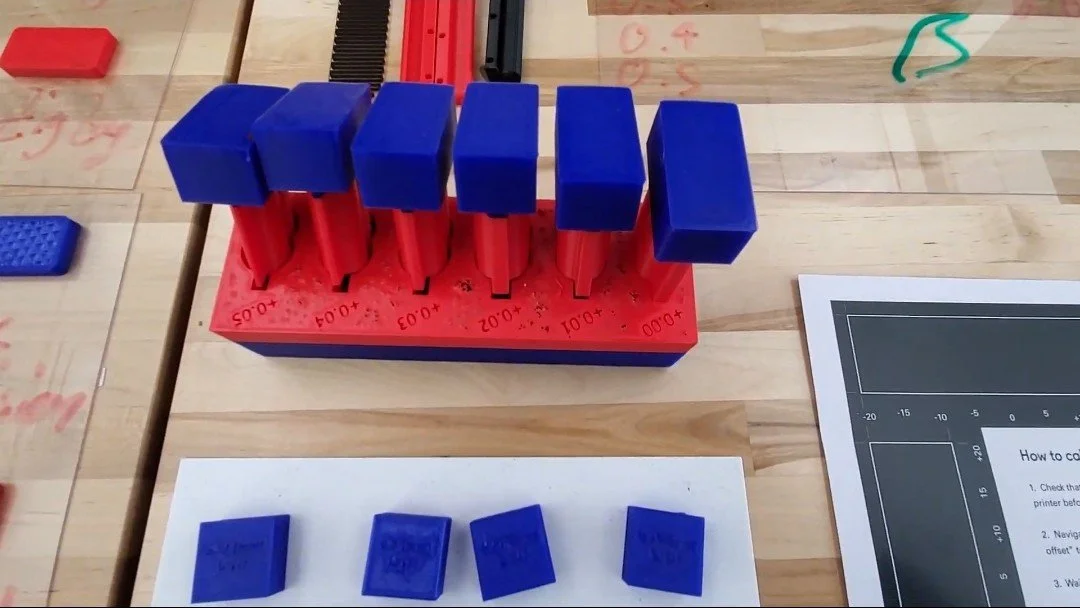
As a demonstration a tolerance model was created. It shows users the types of tolerances and more importantly the functionality when design parts for either 3d printing or machining.
-
![De Laval nozzle design with regenerative cooling channels compared against an isentropic flow diagram]()
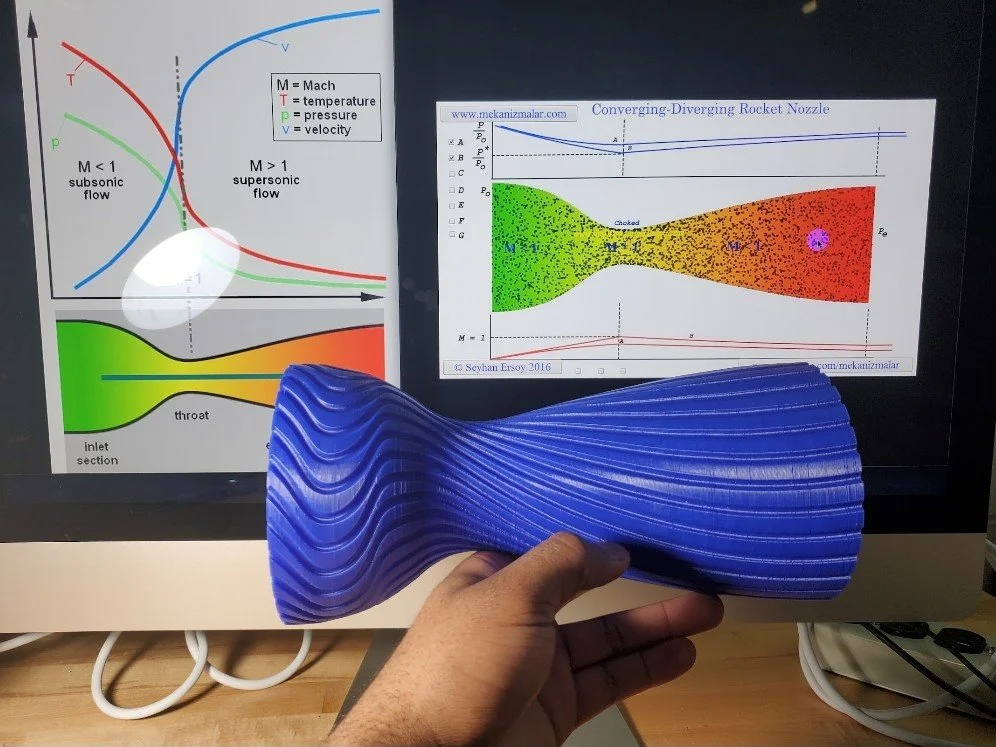
Regenerative Cooling De Luval Nozzle
A De Luval Nozzle was design with regenerative cooling channels. The most notable region for cooling was the combustion chamber and throat.
-
![Wes Banks conducting wind tunnel testing on experimental airfoil configurations in the Western Michigan University hangar]()
Flow Seperation Testing of Experimental Airfoils
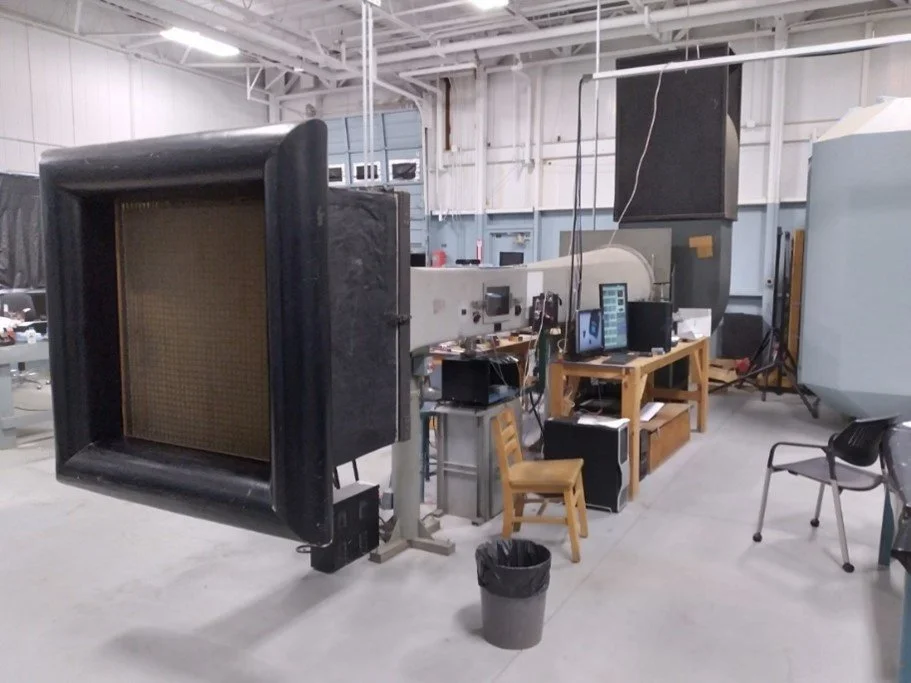
A wind tunnel were used to test experimental profiles. The wind tunnel was controlled using lab view and the methods of experimentation was a oil film test and a thermal coating test.