Design Build and create a better future.
I work across engineering, product development, software, research, and systems thinking to turn complex ideas into practical, testable projects. My portfolio documents the process—from early concepts and technical analysis to working prototypes and larger system architectures.
Background
My background is in aerospace engineering, but my work extends across hardware, software, manufacturing, automation, and business systems. I am most interested in problems where multiple disciplines intersect and where technical decisions must ultimately support a larger objective. My projects range from technical experiments and physical prototypes to software tools, infrastructure, automation, and broader system concepts. Each project is treated as an opportunity to develop reusable knowledge rather than an isolated exercise. My long-term objective is to build organizations and technologies capable of developing both hardware and software as parts of unified systems. I am particularly interested in infrastructure, advanced computing, manufacturing, aerospace, automation, and technologies that expand what individuals and organizations are capable of building. This portfolio is an evolving record of some notable projects that I have built, tested, researched, and learned. Some projects succeed, some expose better questions, and others become foundations for entirely different systems.
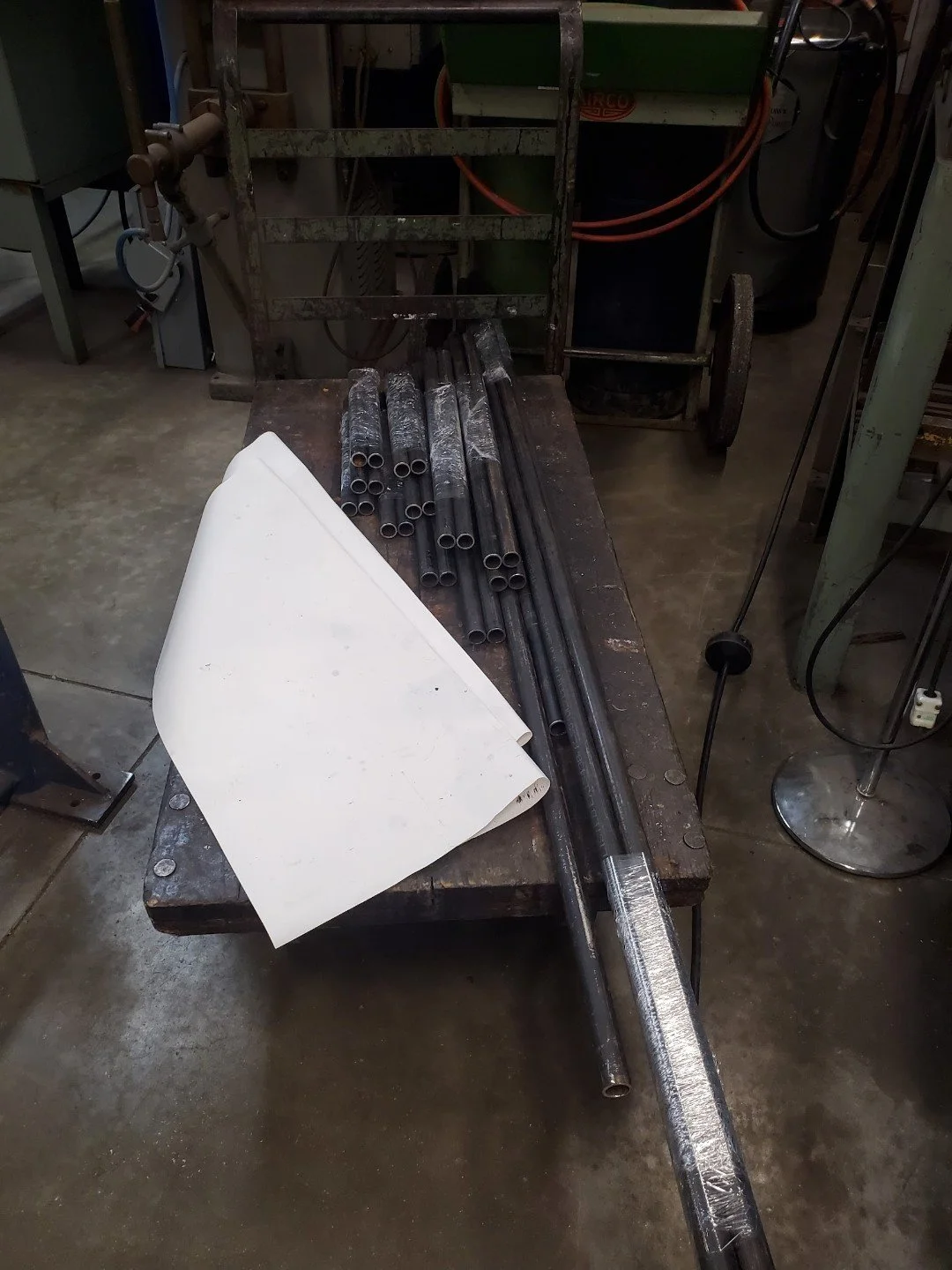
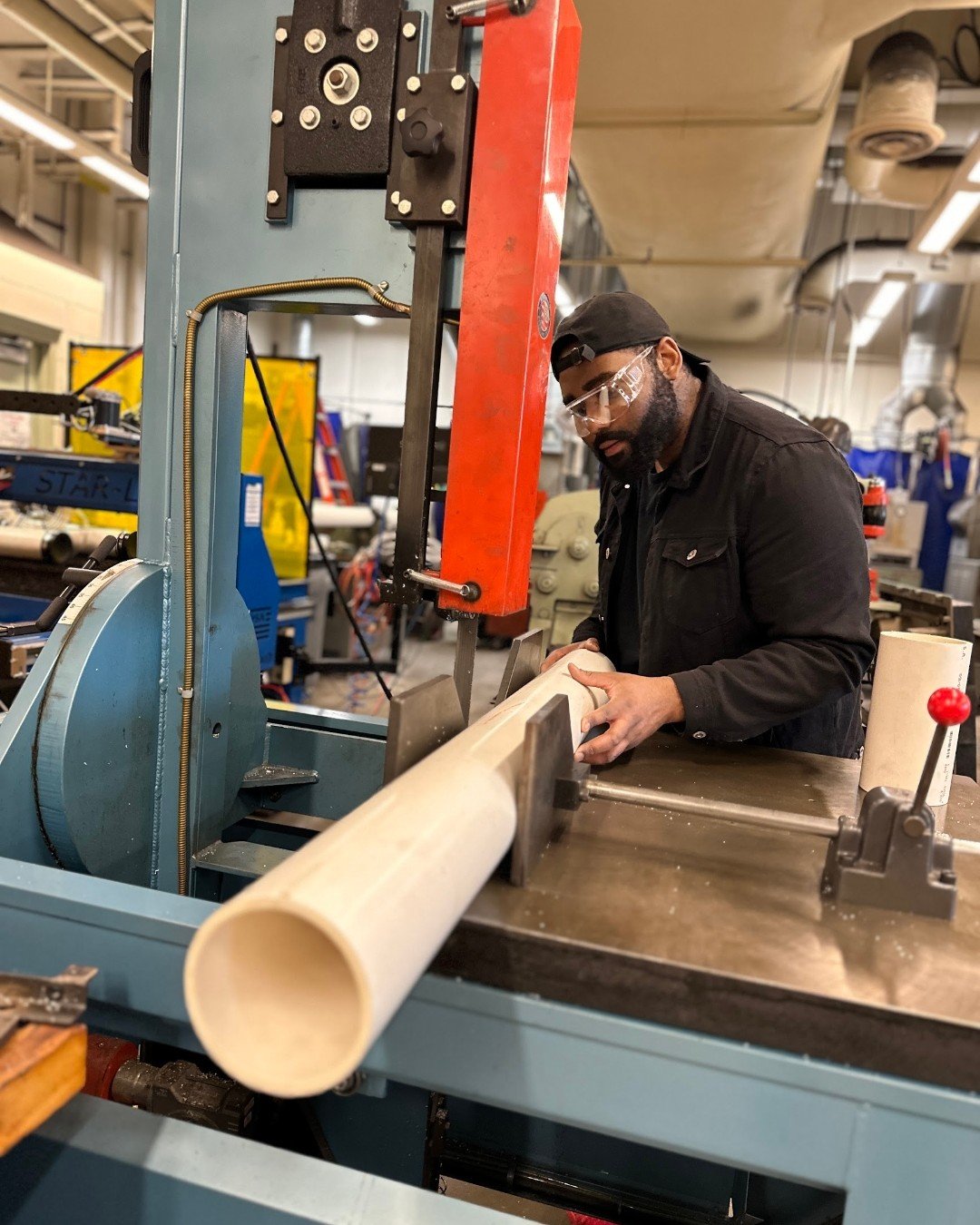
That experience expanded further through access to a machine shop and fabrication environment, where I was able to learn how additive manufacturing fits within a much broader manufacturing process. I gained hands-on exposure to machining and fabrication methods including welding, laser cutting, CNC machining, manual milling, and lathe operations. Working across these processes gave me a stronger understanding of tolerances, material behavior, tool access, fixturing, finishing, and the tradeoffs between additive and subtractive manufacturing. It also improved the way I approached design: instead of thinking only about whether a part could be modeled or printed, I began considering how it could actually be produced, assembled, inspected, modified, and scaled using different manufacturing methods.
3D Printing
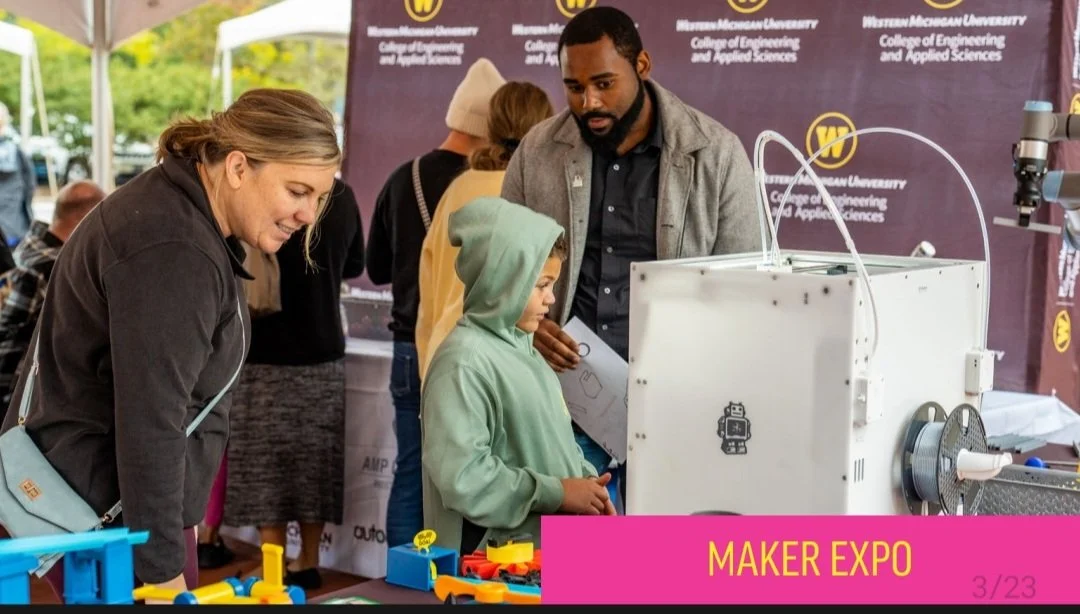
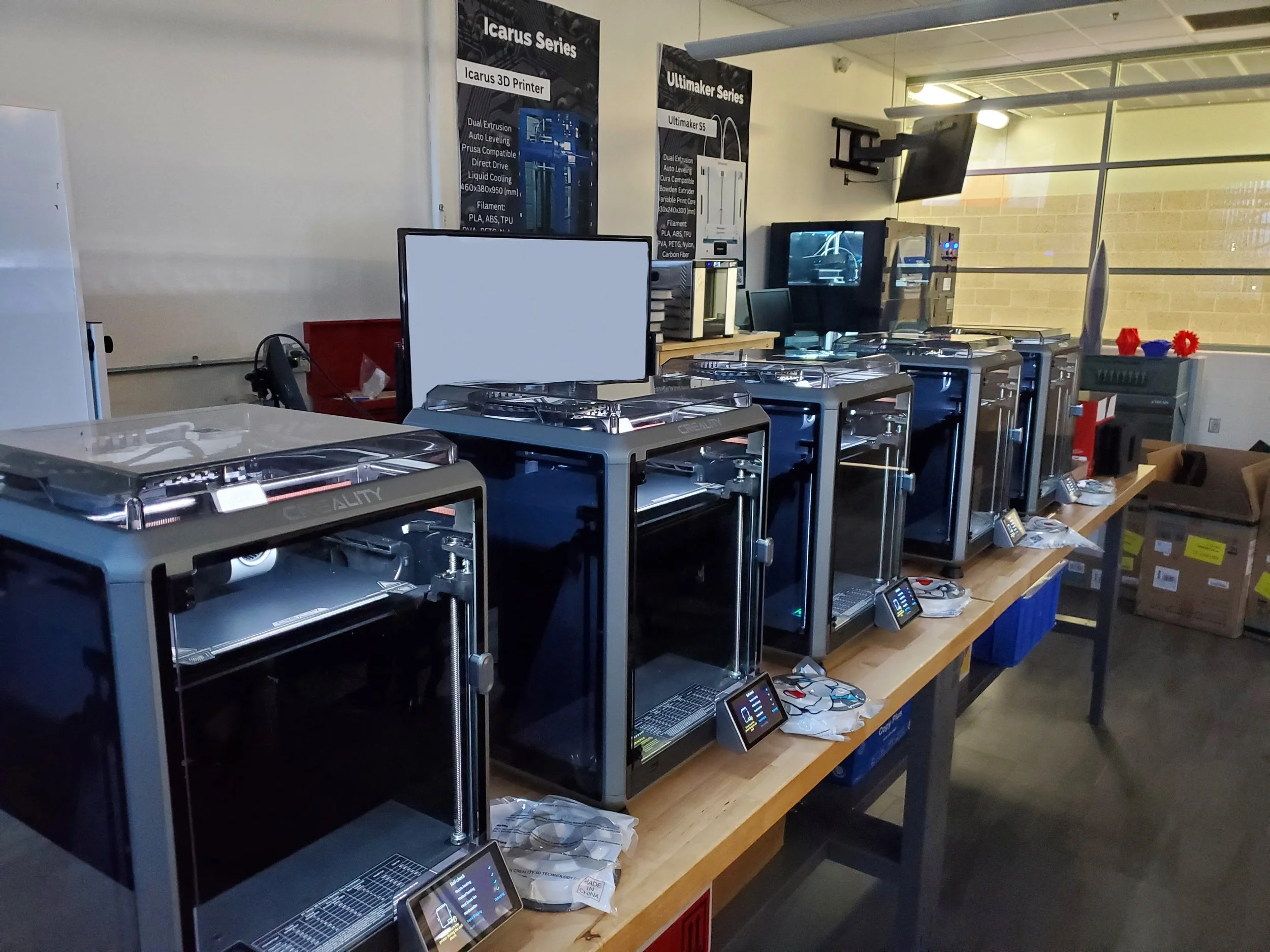
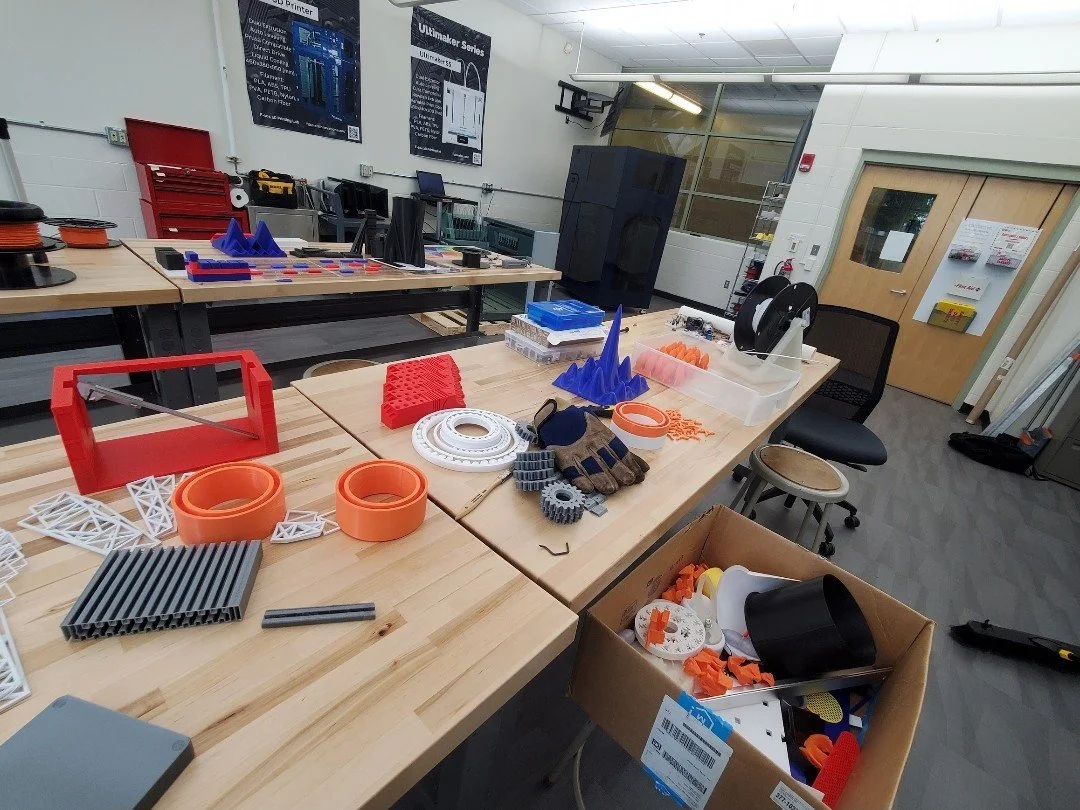
My experience with 3D printing began with self-teaching CAD and 3D modeling during my freshman year of high school, where I first learned how to translate ideas into digital geometry and eventually into physical parts. Access to a school 3D printing lab gave me an early opportunity to move beyond modeling and begin experimenting with prototyping, iteration, and manufacturing. In college, that interest developed into a much larger responsibility when I was given the opportunity to help build and operate a 3D printing lab capable of running up to 28 printers simultaneously, with machines varying in size, capability, material compatibility, and intended use. The F-104 lab gave me broad freedom to design, fabricate, test, and improve both my own concepts and collaborative projects, while also developing practical experience in printer maintenance, workflow organization, production planning, and managing multiple jobs at once.
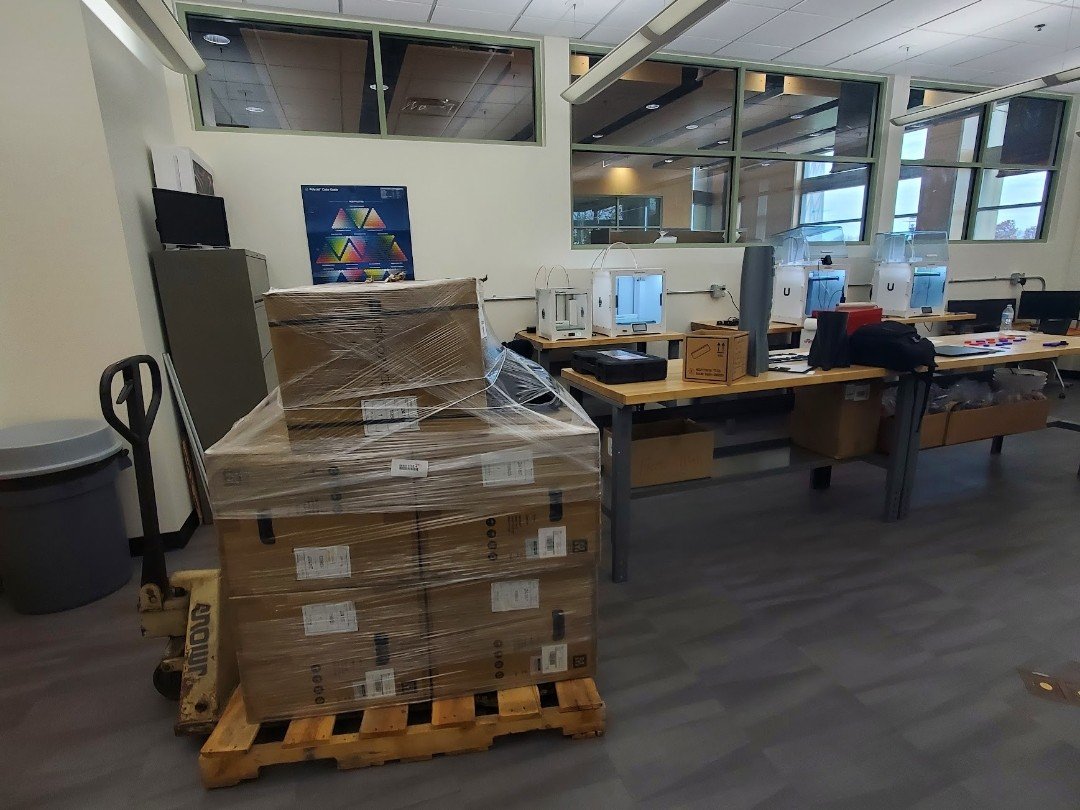
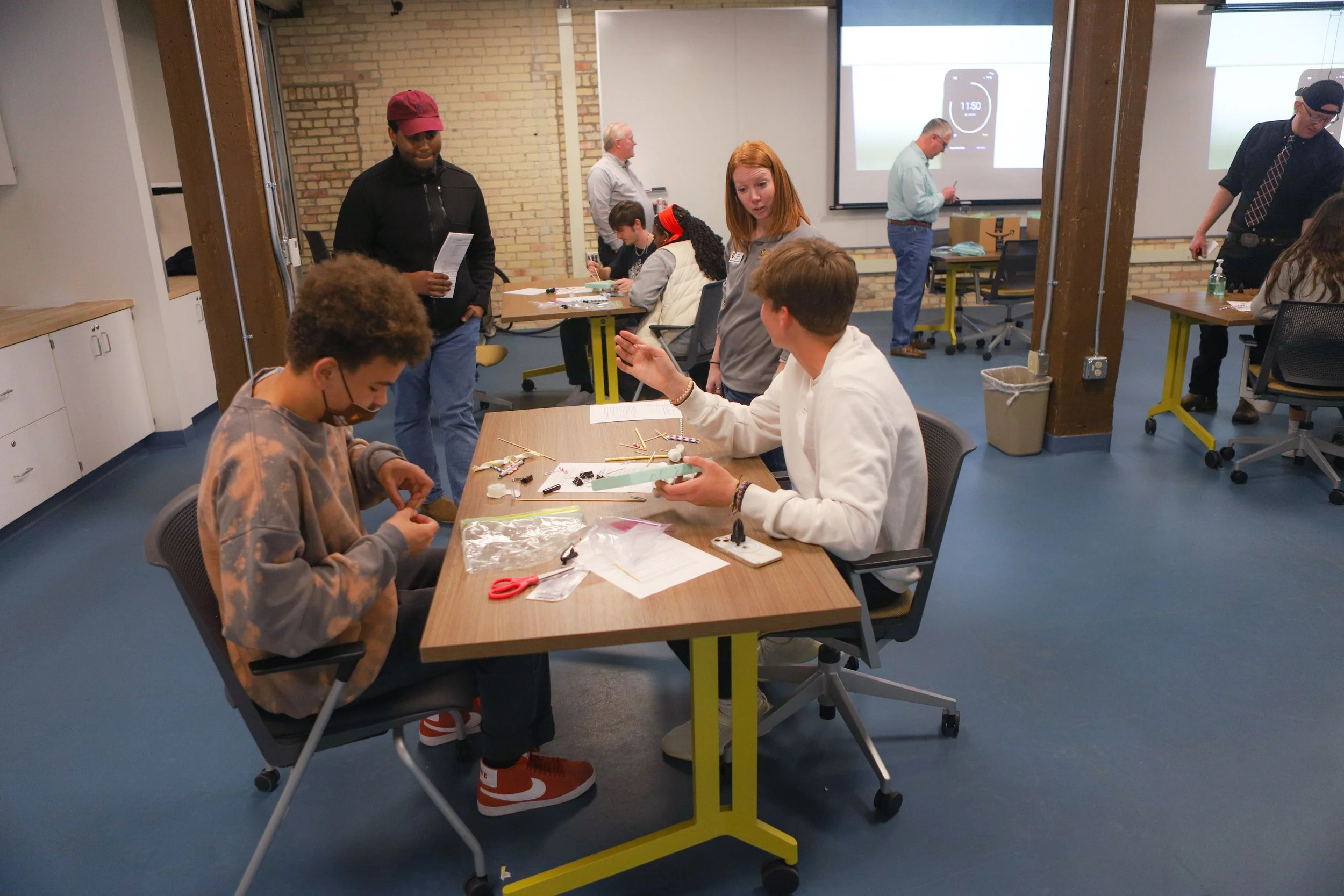
The combination of additive manufacturing, machining, and fabrication gave me a much more complete view of prototyping and product development. I was able to move between digital design, rapid prototypes, machined parts, and fabricated assemblies depending on what a project required. I regularly gave tours of the lab and collaborated with a wide range of users, from undergraduate students to faculty and professors, helping translate project goals into practical manufacturing approaches. More than simply learning how to operate individual machines, these experiences taught me how to think in terms of an integrated design and fabrication system—using the right process for the right problem, iterating quickly, and turning early concepts into increasingly functional and manufacturable solutions.